Pregnancy Wellness: Expert Nutrition and Fitness Advice for Every Stage of Motherhood

Pregnancy is a season of incredible change. As your body adapts to support a growing baby, your nutrition, movement, recovery, and self-care habits become more important than ever. While every journey is unique, prioritizing pregnancy wellness can help you feel stronger, more energized, and better prepared for both childbirth and postpartum recovery.
To help guide expecting and new mothers, we spoke with two FFC experts who bring both professional credentials and personal experience to the conversation:
- Katherine Chung – MS, RDN, LDN | FFC Registered Dietitian Nutritionist | New Mom
- Gigi Verstegen – FFC Personal Trainer | Certified Prenatal and Postpartum Specialist | Mother of Three
Together, they share practical advice on staying healthy, active, and nourished through every stage of motherhood.
Pregnancy Wellness Starts Before Baby Arrives
According to Katherine, pregnancy nutrition isn’t just about the nine months of pregnancy itself.
“I would try to focus on eating well, not only during pregnancy but also leading up to it,” she says. “What you eat and supplement with can directly impact the growth and development and genetic programming of a baby.”
As both a dietitian and a new mother, Katherine’s professional expertise became deeply personal during her own fertility and pregnancy journey. While trying to conceive, she completed certifications in prenatal and fertility nutrition and was able to apply those principles firsthand.
“Living this experience made me apply what I know and what I’ve learned to my own life. It was a real ‘practice what you preach’ moment.”
Rather than chasing perfection, Katherine encourages focusing on the fundamentals:
- Fruits and vegetables
- Whole grains
- Lean protein
- Healthy fats
- Consistent hydration
Building these habits before pregnancy can make them easier to maintain during pregnancy and postpartum when life becomes significantly busier.
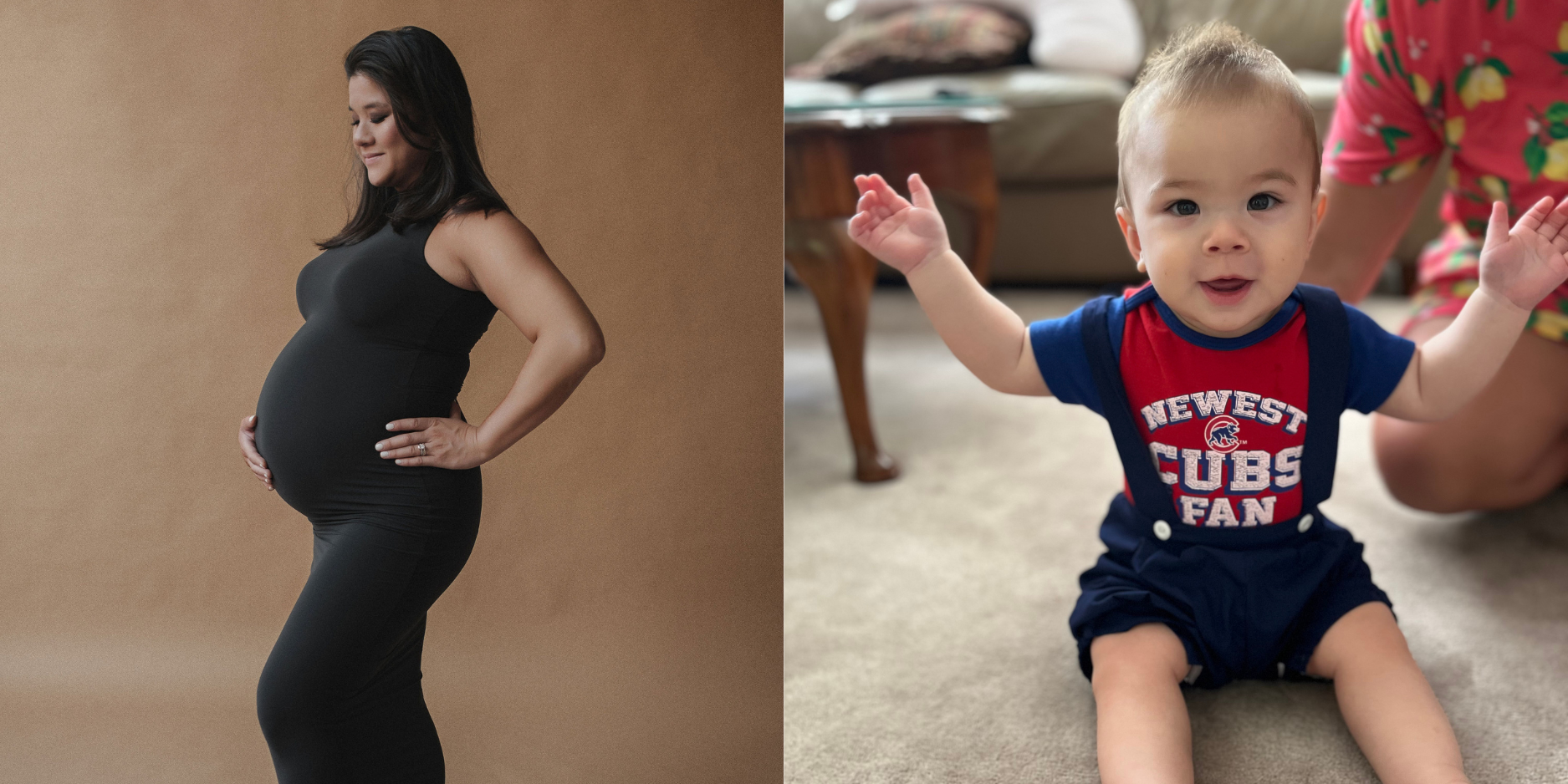
Katherine Chung and Son Kory Kai
Key Nutrients That Support Pregnancy Wellness
While nutrition during pregnancy involves the overall quality of your diet, Katherine highlights several nutrients that deserve special attention:
Folate
Folate supports rapid maternal and fetal cell growth and plays a critical role in reducing the risk of neural tube defects.
Choline
Many pregnant and breastfeeding women fall short on choline intake. Adequate choline may support fetal brain development and help reduce the incidence of neural tube defects.
Iron
Iron needs change throughout pregnancy and should be individualized. Katherine notes that iron supplementation isn’t always one-size-fits-all and should be guided by healthcare providers when possible.
Calcium and Vitamin D
These nutrients work together to support developing bones, muscles, and overall fetal growth.
Omega-3 Fatty Acids
Omega-3s play an important role in brain and retinal development and continue to be important during breastfeeding.
Staying Active During Pregnancy
Exercise remains one of the most effective tools for supporting overall pregnancy wellness, but Gigi emphasizes that every pregnancy is different.
“If I have a very fit mom-to-be looking to maintain their fitness, the work is to focus on breath work, deload major lifts, and increase mobility work as pregnancy moves along,” she explains. “For beginners, the focus moves toward mobility and gaining strength without pushing mom too far.”
One area she prioritizes with nearly every client?
Glute and hamstring strength.
“The biggest benefit is maintaining good muscle engagement and strength, especially the glutes and hamstrings. They are the literal base of strength for the pelvic floor.”
Strong glutes, hamstrings, and core muscles can help support posture, reduce low back pain, improve daily movement, and create a stronger foundation for postpartum recovery.
Common Myths About Exercising While Pregnant
One of the most common misconceptions Gigi hears is that pregnant women shouldn’t exercise.
Another misconception is the advice to simply “listen to your body.”
While body awareness is important, Gigi believes education and guidance are equally critical.
“Listening to your body can be very helpful, but it can also lead you to hurt yourself if you are not used to taking the message seriously,” she says. “Doing what is best for you is different than just listening to your body.”
Working with qualified professionals who understand prenatal exercise can help ensure workouts remain safe, effective, and appropriate as your body changes.
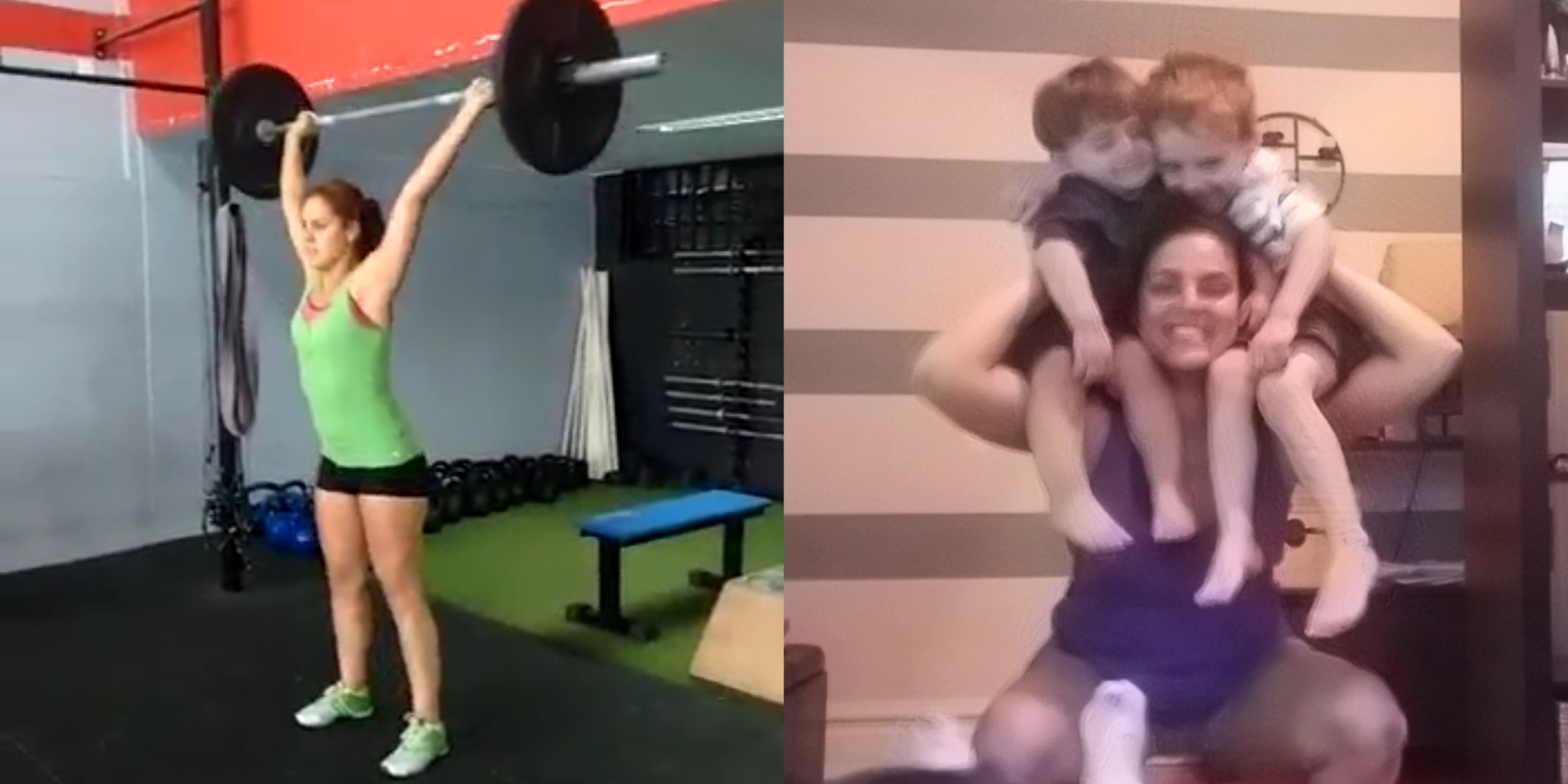
Gigi Verstegen and Two of Her Three Children
The Role of Strength Training During Pregnancy
Strength training often gets overlooked during pregnancy, but Gigi sees it as one of the most valuable forms of preparation for childbirth and recovery.
“I think people forget to see childbirth as a trauma that women’s bodies have to go through,” she says. “The more muscle mass you have in your body prior to the trauma you’re putting your body through, the easier the recovery phase will be.”
She compares labor and delivery to a marathon. Whether delivery is vaginal or cesarean, the body undergoes tremendous physical stress. Maintaining strength throughout pregnancy can help support posture, core engagement, daily function, and postpartum healing.
Managing Morning Sickness, Cravings, and Food Aversions
Pregnancy doesn’t always make healthy eating easy.
Morning sickness, nausea, and food aversions can make even favorite foods seem impossible to eat.
Katherine recommends simple, evidence-based strategies including:
- Vitamin B6 supplementation (with provider guidance)
- Ginger products
- A high-quality prenatal vitamin to help fill nutrient gaps
“If you have developed aversions to certain foods, it’s okay,” Katherine says. “A quality prenatal vitamin can help cover some of the nutrient gaps if you are unable to get nutrients from certain foods.”
She also wants mothers-to-be to rethink the classic “eating for two” mindset.
“Your calorie needs increase in the second and third trimesters, but not necessarily to the amount where you need to double your portions,” she explains. “Shift the mindset to eating well to nourish both your body and the baby.”
Postpartum Recovery: What New Moms Need Most
Once the baby arrives, recovery becomes the priority.
For Katherine, nutrition centers around three key habits:
- Prioritize protein
- Stay hydrated
- Eat enough, especially if breastfeeding
“Your body is healing, and protein helps it heal properly,” she says. “Hydrate, especially if you are breastfeeding.”
As a breastfeeding mother herself, Katherine found that tying hydration and nutrition to feeding sessions helped her stay consistent.
“One habit I’ve formed is to drink fluids or eat surrounding a breastfeeding or pumping session.”
For Gigi, one of the biggest postpartum lessons involved pelvic floor health.
After experiencing pressure and discomfort while returning to exercise, she sought help from a pelvic floor therapist and now recommends the same for nearly every postpartum client.
“Firstly, go see a pelvic floor therapist before exercising,” she advises. “Second, find a trainer who has experience with postpartum athletes, or a postpartum-certified trainer.”
Small Habits Make a Big Difference
Both experts emphasize that wellness doesn’t have to mean perfection.
For busy parents, consistency matters more than lengthy workouts or complicated meal plans.
“Workouts don’t need to be hours long to keep you fit and healthy,” says Gigi. “If all you have is 20 to 30 minutes a couple of days a week, use it.”
She also reminds parents that movement can happen outside the gym.
“If being at the park with your kids is the only free time you have, make a game, run around with them, and enjoy that time.”
The Takeaway: Give Yourself Grace and Prioritize Your Health
When asked for one final piece of advice, both women returned to the same message: caring for yourself is one of the best ways to care for your child.
“You have the power to set your baby up for success by eating well and taking care of your health,” says Katherine.
Gigi echoes that sentiment with a reminder many parents need to hear:
“Feeling weak and stuck in your own head is normal, but you have support, and this is just a phase. Like everything else, it’ll pass, and you’ll be feeling amazing and strong again.”
Whether you’re preparing for pregnancy, currently expecting, or navigating life with a newborn, focusing on pregnancy wellness through intentional nutrition, movement, recovery, and support can help you feel your best during one of life’s most transformative experiences.
___________________________________________________________
Interested in working with an FFC Registered Dietitian Nutritionist before, during, or after your pregnancy? Schedule your complimentary nutrition session today.
Interested in working with an FFC Personal Trainer before, during, or after your pregnancy? Schedule your complimentary nutrition session today.