Everything You Need to Know About Cupping in Chicago: Benefits, Safety, and What to Expect at FFC
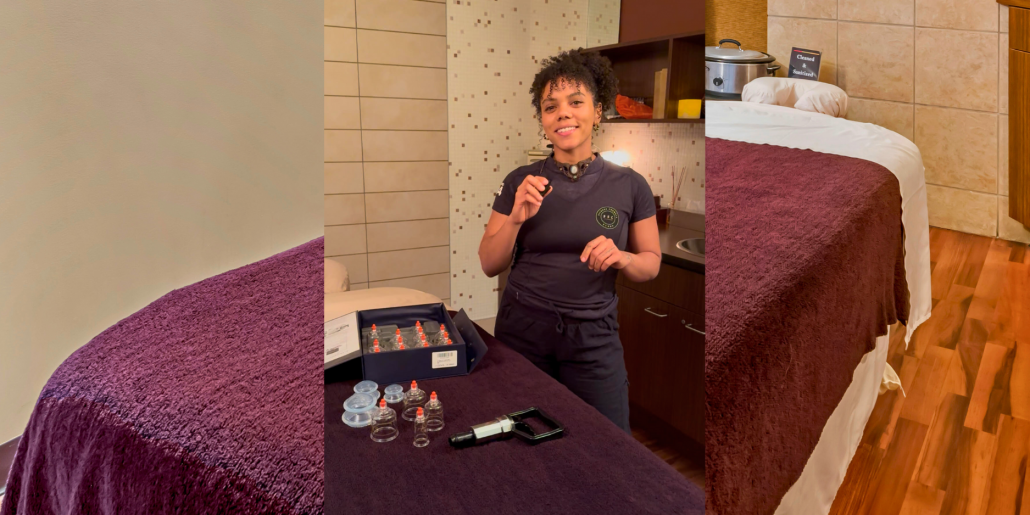
If you’ve spent any time exploring recovery trends in Chicago’s wellness scene, you’ve probably come across cupping therapy. At Fitness Formula Clubs (FFC), cupping has become a go-to add-on or standalone treatment for members looking to enhance recovery, reduce tension, and support overall mobility. To help demystify the practice, we turned to FFC Clinical Massage Therapist Eva Gockowski, who regularly incorporates cupping into her sessions.
Below, you’ll find an easy, informational breakdown of what cupping is, how it works, and why it might be the next recovery method you add to your routine.
What Is Cupping? A 5,000-Year-Old Practice With Modern Benefits
Cupping may feel trendy, but its roots run deep. “Cupping is an ancient practice that has been dated back to about 3,000 BCE in both ancient Egypt and China,” Eva explains. Historically, this technique was used for everything from pain relief to disease prevention.
Today, cupping in Chicago is most commonly offered as a therapeutic bodywork technique—and FFC’s licensed massage therapists use dry cupping, the modern, massage-friendly version of the practice.
Dry Cupping vs. Wet Cupping: What’s the Difference?
According to Eva, “it’s important to distinguish between two types of cupping: wet cupping and dry cupping.”
-
Wet cupping involves small incisions to draw blood to the surface. This is not performed at FFC.
-
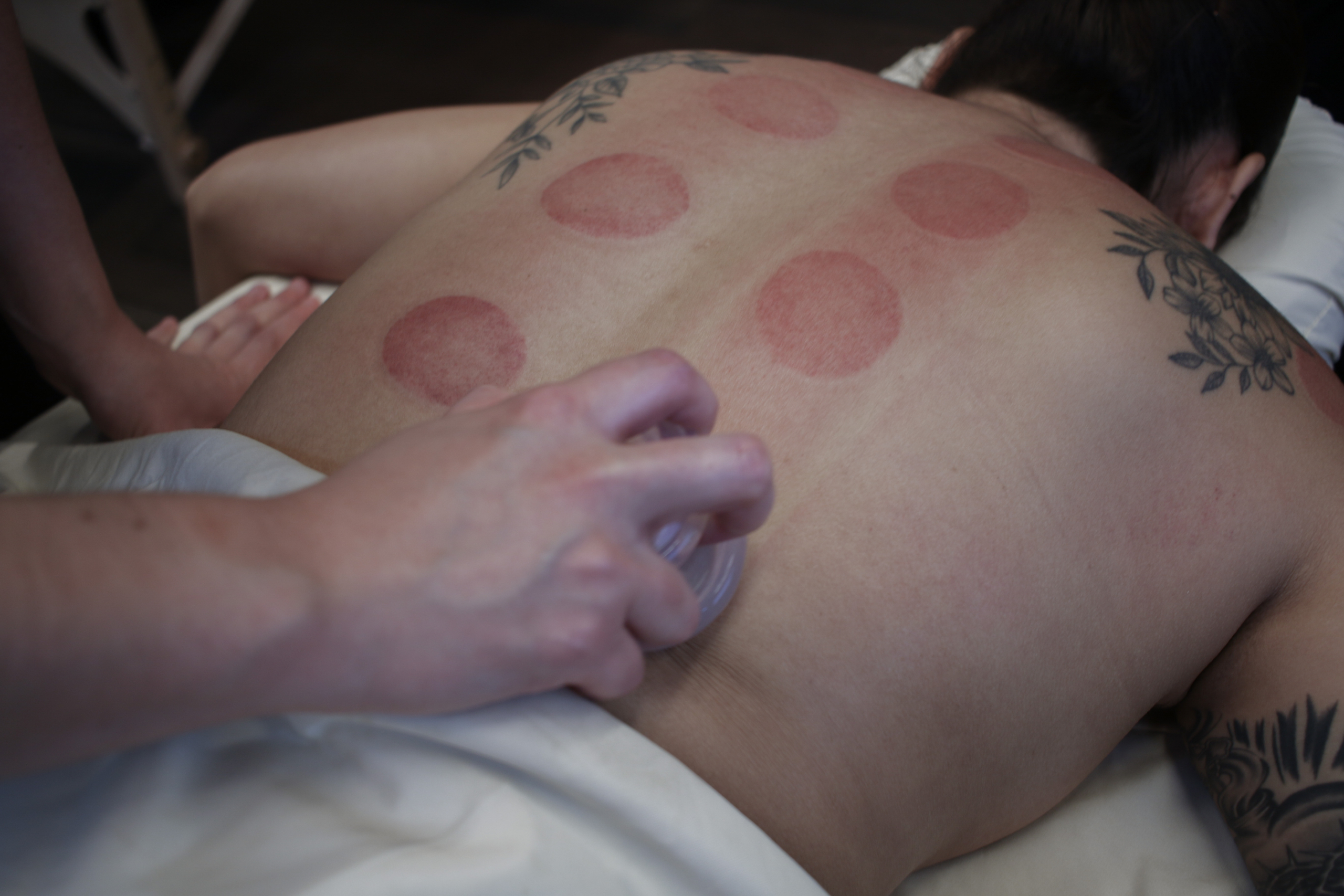
Dry cupping, which FFC therapists are trained in, uses plastic or silicone cups to create suction and gently lift the skin and underlying tissues.
This suction effect helps mobilize tissue, increase circulation, and encourage lymphatic movement—all without breaking the skin.
Why Athletes (and Anyone With Tight Muscles) Love Cupping
Eva describes cupping as “an amazing tool for athletes in need of recovery or for anybody dealing with stiff, dense, tight, or sticky muscles and ligaments.”
Here’s why cupping works so well:
-
It creates a vacuum effect, giving your muscles more space to “breathe.”
-
Increased circulation means more blood flow, more lymph movement, and faster flushing of metabolic waste.
-
It supports recovery not just in one isolated area, but throughout the rest of the body.
If you’ve hit a training plateau, deal with chronic tightness, or simply want to feel less restricted, cupping can be a game changer.
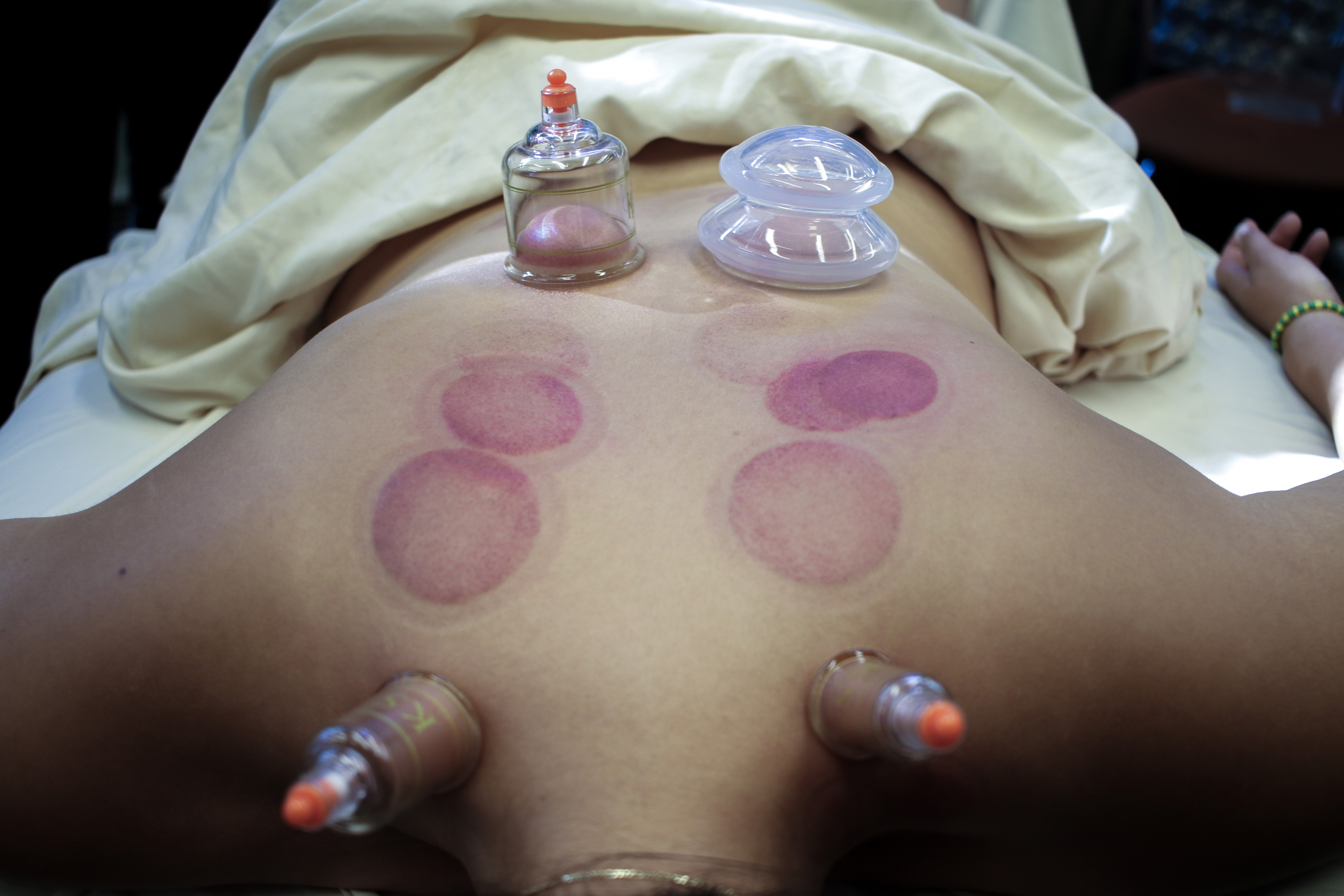
What an FFC Cupping Session Looks Like
While cupping leaves signature circular marks, the experience is far gentler than it looks.
Eva recommends booking a 60- or 90-minute session, especially because cupping is paired with traditional massage. “The cups are only left on your skin for about five to ten minutes,” she says. “It’s not going to be a full hour of static cupping.”
Instead, you’ll receive a combination of:
-
Hands-on massage
-
Targeted cupping for tense or restricted areas
-
Techniques that support release, mobility, and overall relaxation
The result is a treatment that is both therapeutic and deeply restorative.
Is Cupping Safe?
For most people, yes. “Cupping is safe and generally recommended for most people,” Eva notes. However, it’s important that you:
✔️ Inform your therapist of any medications you’re taking
✔️ Share any pre-existing conditions
✔️ Mention blood-thinning medications or circulatory concerns
Every FFC club has one or more therapists certified in cupping, so you’ll always be in qualified hands.
How to Book Cupping at FFC
Whether you want a dedicated cupping session or simply want to add cupping into a massage you already love, you can easily schedule your service.
Book your next massage or cupping treatment through the FFC+ App, or visit or call your local FFC Spa.
Experience the recovery, relief, and rejuvenation that cupping can offer—right here in Chicago.