No Pain, No Gain? Why That Mindset Could Be Holding You Back
For years, the phrase “no pain, no gain” has dominated gym culture. But the no pain no gain myth can actually do more harm than good. While your workout should absolutely feel challenging, there’s a big difference between productive intensity and harmful pain.
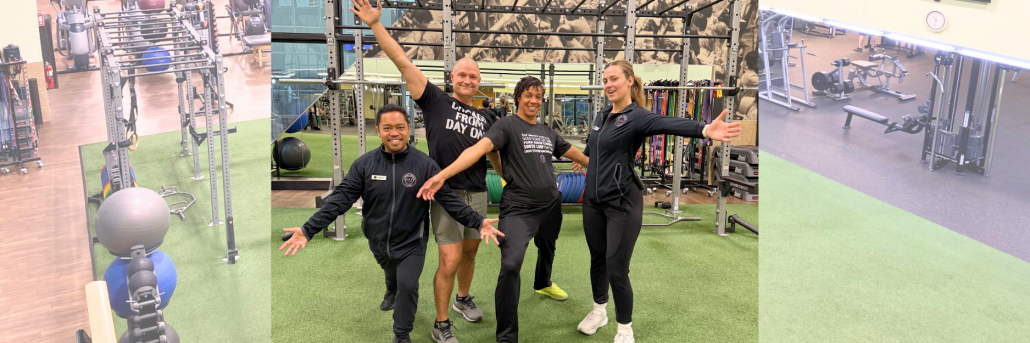
We spoke with Sofia Radice, Fitness Director at FFC Union Station, to break down what that difference really looks like — and how you can push yourself safely and effectively.
The “No Pain, No Gain” Myth: Challenge vs. Pain
According to Sofia, intensity is important — but pain is not the goal.
“When we’re lifting, it’s important that we feel that intensity, right? But we should never feel pain or discomfort,” she explains. “I always check in with my clients: Is it challenging? Yes. But we also want to be comfortable.”
That distinction is key.
Challenge feels like:
-
Muscle fatigue
-
Controlled shaking or burning
-
Effort that requires focus and breath
Pain feels like:
-
Sharp or stabbing sensations
-
Joint discomfort
-
Sudden, unstable strain
The no pain no gain myth suggests that suffering equals progress. In reality, pain is often your body signaling that something is off — whether that’s form, load, or recovery.
How to Increase Intensity Without Pain
So how do you make an exercise more challenging without simply grabbing heavier weights?
Sofia recommends manipulating variables like tempo, positioning, and isometric holds.
For example:
Let’s say you’re doing a bicep curl with 10-pound dumbbells, and they’re starting to feel light. Instead of jumping to 15s immediately, you could:
-
Move into a split stance to challenge balance and core stability
-
Slow down the lowering phase of the curl
-
Pause and hold the weight halfway (an isometric hold)
-
Focus intentionally on squeezing the muscle
By changing tempo and adding stability challenges, you increase muscular demand without risking strain. This approach allows your body to adapt safely — preparing you to progress in weight when you’re truly ready.
This is how you build strength intelligently, not recklessly.
Why the “No Pain, No Gain” Myth Can Lead to Injury
Believing in the no pain no gain myth often leads people to ignore warning signs. Pushing through joint pain, tweaking a muscle, or forcing reps with compromised form can derail progress far more than backing off ever would.
Sustainable results come from:
-
Proper form
-
Strategic progression
-
Adequate recovery
-
Listening to your body
Pain is not proof that something is working. Often, it’s proof that something needs adjustment.
The Role of a Certified Trainer in Safe Progress
One of the most important takeaways from our conversation with Sofia? You don’t have to figure this out alone.
Working with a certified personal trainer helps you:
-
Understand what productive discomfort should feel like
-
Learn proper biomechanics and alignment
-
Progress weight and intensity safely
-
Modify exercises based on your body and goals
A trainer can spot subtle breakdowns in form before they become injuries. They can also introduce creative ways — like tempo shifts and isometric holds — to challenge you without crossing into harmful territory.
If you’re serious about achieving your goals, professional guidance is one of the smartest investments you can make.
Lift Smart. Train Strong. Stay Safe.
Progress doesn’t require pain — it requires intention.
The next time you’re in a workout and something feels “off,” check in with yourself. Is it muscle fatigue and effort? Or is it discomfort that signals a problem?
Let’s retire the no pain no gain myth and replace it with something better:
Challenge yourself. Respect your body. Lift safely.