Heart Healthy Eating: How Nutrition Supports Long-Term Heart Health
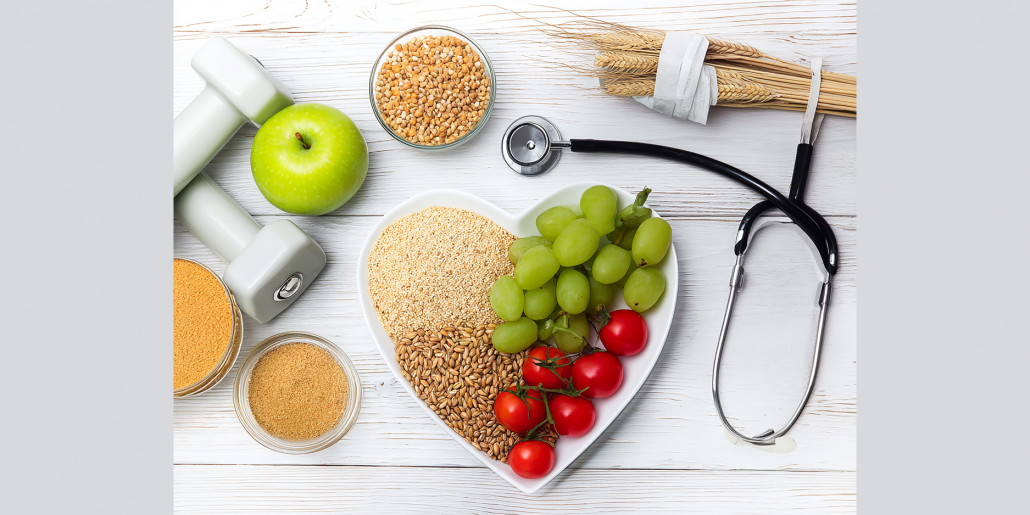
February is Heart Health Month. This makes it the perfect time to talk about one of the most powerful (and often overlooked) tools for cardiovascular health: heart healthy eating. While exercise, stress management, and sleep all play important roles, what you eat day in and day out has a direct impact on cholesterol levels, blood pressure, inflammation, and overall heart function.
To cut through the noise, we spoke with two of our FFC Dietitian Nutritionists, Katherine Chung, MS, RDN, LDN, and Griselda Ayala, MS, RDN. They share evidence-based insights on what actually matters when it comes to nutrition and heart health.

Daily Habits That Support Heart Healthy Eating
According to Katherine, one of the most impactful daily habits people can start is surprisingly simple: eat more fiber.
Fiber, especially soluble fiber found in foods like fruits, oats, and beans, helps bind excess cholesterol in the digestive tract and remove it from the body. Over time, this supports healthier cholesterol levels. Additionally, it promotes overall heart function.
Another key habit? Eating healthy fats. While this may feel counterintuitive to many people, healthy fats help lower LDL (bad) cholesterol and raise HDL (good) cholesterol. These fats are typically found in plant-based foods like nuts, seeds, avocados, olive oil, and seafood.
“When you focus on fiber and healthy fats,” Katherine explains, “you naturally end up eating more plant-based foods, which is incredibly supportive of heart health.”
Griselda adds another important daily consideration: alcohol awareness. If you drink, she recommends being realistic and intentional. Include alcohol as part of your nutrition plan rather than treating it as an afterthought. Plan how much and how often feels right for you. Furthermore, always aim for moderation. And if you don’t drink, there’s no reason to start.
Common Misconceptions About Heart Healthy Eating
One of the biggest myths Katherine sees is the belief that fat is bad for the heart and should be avoided altogether.
In reality, fats are essential for absorbing certain vitamins, building cells, producing hormones, protecting organs, and providing energy. The key is understanding the type of fat you’re consuming. Saturated fats, commonly found in animal products like butter, full-fat dairy, and chicken skin, can contribute to cholesterol buildup when eaten in excess. However, that doesn’t mean they need to be eliminated completely; they should simply make up a smaller portion of your overall intake.
The focus should be on monounsaturated and polyunsaturated fats. These are the heart-healthy fats found in plant-based foods.
Another persistent misconception is that eggs increase cholesterol. For most people, the dietary cholesterol found in eggs does not directly raise blood cholesterol levels. Eggs are actually a high-quality protein source packed with vitamin D, B vitamins, vitamin A, iron, zinc, antioxidants, and choline, which supports brain health and neurotransmission.
What matters more, Katherine notes, is how eggs are prepared and what they’re paired with. Eggs themselves are nutritious, but they’re often cooked in butter or served alongside foods high in saturated fat. This is where the confusion comes from.
Griselda addresses another major misunderstanding. She explains that heart healthy eating does not mean eliminating everything that makes food enjoyable.
Unless someone has a medical condition that requires strict elimination, there is room for all foods in a balanced diet. “It’s the dose that makes the poison,” she explains. Rather than cutting foods out completely, she encourages people to learn appropriate serving sizes, slow down while eating, and truly savor their meals.
Why Working With a Registered Dietitian Makes a Difference
With so much conflicting nutrition advice online, both dietitians agree that working one-on-one with a Registered Dietitian can be transformative.
Katherine explains that dietitians are trained to objectively evaluate someone’s current diet and lifestyle and make recommendations rooted in science. They help filter out misinformation, teach clients how to read nutrition labels, and offer practical, realistic strategies to improve markers like cholesterol and blood pressure.
Griselda emphasizes personalization. Nutrition is not one-size-fits-all, and just because something is “healthy” doesn’t mean it’s right for everyone. A Registered Dietitian considers your individual needs, preferences, lifestyle, and goals. With this information, they create a plan that feels sustainable, not restrictive.
“Healthy and sustainable should not feel like dieting,” she says.
And in many cases, nutrition visits may be covered by insurance. Visit our FFC Nutrition page to find out if your plan includes nutrition services.
A Heart Health Mindset for February and Beyond
One of Griselda’s most powerful reminders is this:
Medical intervention may increase life expectancy. Dietary intervention increases health expectancy.
When it comes to heart health, waiting until changes are medically necessary often means missing years of feeling your best. February’s Heart Health Month is a great reminder that heart healthy eating isn’t about perfection or short-term fixes. It’s about building habits that support your heart now and for the long run.
Small, consistent changes made today can have a meaningful impact on how you feel, move, and live for years to come.